
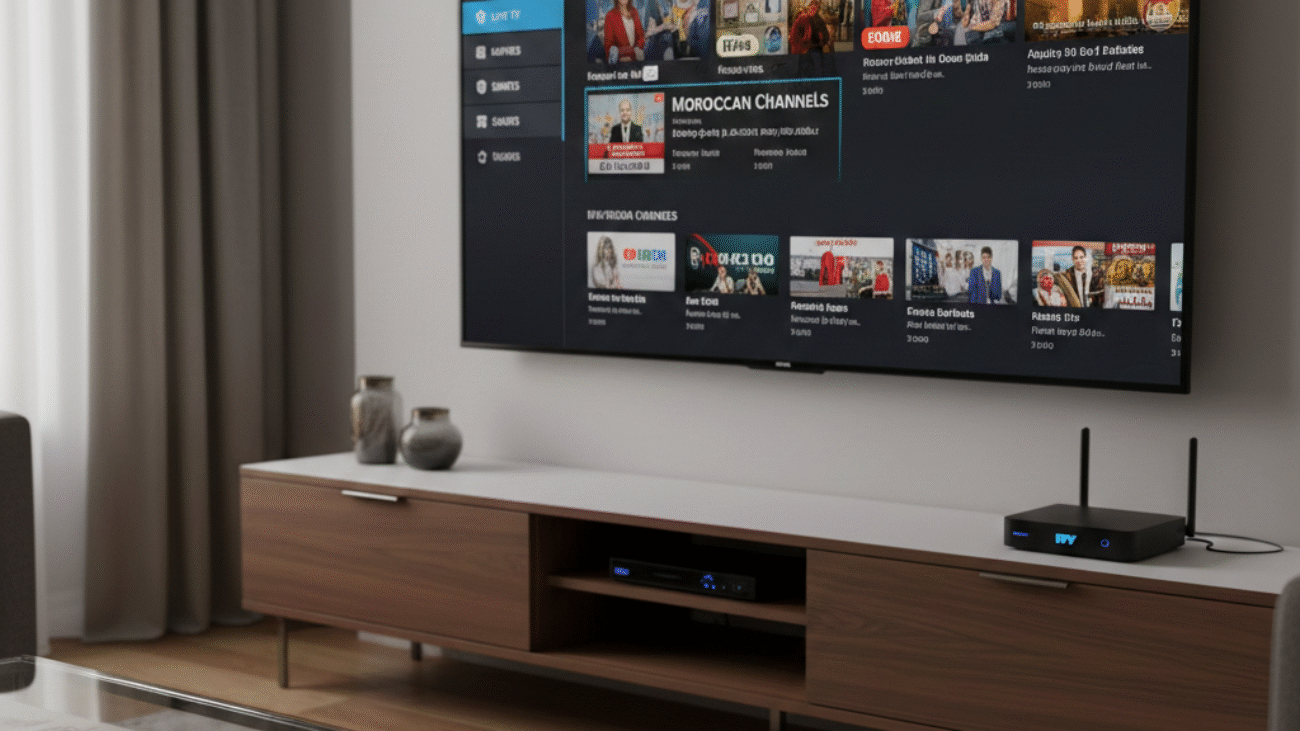
An IPTV service delivers television channels and on‑demand content over the internet instead of traditional satellite or cable. This modern way of watching TV is becoming popular because it offers more flexibility, better picture quality, and access on multiple devices.
What Is an IPTV Service?
IPTV stands for Internet Protocol Television, which means TV content is transmitted using the same technology as regular internet data. Instead of receiving channels through a dish or coaxial cable, viewers connect to an IPTV provider’s servers via their home internet connection or mobile data.
Unlike classic broadcast TV, IPTV can mix live channels, video on demand, and catch‑up programs in one platform. This makes it easier for users to watch exactly what they want, when they want, without being limited to fixed schedules.
How Does an IPTV Service Work?
An IPTV provider first acquires legal rights to distribute TV channels, movies, and series, then encodes that content into digital formats suitable for streaming. The files are stored on powerful servers that can send video data in small packets to thousands of users at the same time.
When a user selects a channel or movie, the IPTV app or set‑top box sends a request to the server, which immediately starts streaming the content over the internet. The app decodes the incoming stream in real time, providing a viewing experience comparable to or better than traditional TV when the internet connection is stable.
Main Types of IPTV Services
Most IPTV offers combine several service types, but it helps to understand the main categories. The three core models are:
- Live IPTV: Real‑time streaming of TV channels, similar to cable or satellite but delivered over IP networks.
- Time‑Shifted / Catch‑Up TV: Recently broadcast programs that you can replay for a limited period after the original airing.
- Video on Demand (VoD): A catalog of movies, series, and shows that you can start, pause, and resume whenever you like.
Some IPTV platforms also integrate interactive features like program guides, restart options, and recommendations based on viewing history.
Key Benefits of IPTV Services
Many users switch to IPTV because it gives them more control over how and where they watch content. The most common advantages include:
- Better picture quality: IPTV can deliver HD and even 4K content with clear images and smooth motion when bandwidth is sufficient.
- On‑demand access: Viewers are not tied to fixed TV schedules and can watch shows, movies, and sports replays at any time.
- Multi‑device support: A single subscription can often be used on smart TVs, smartphones, tablets, computers, and streaming devices.
- Flexible content packages: Providers can offer niche channels, international content, and themed bouquets that are not available with classic TV.
For internet service providers, IPTV can also be a way to bundle TV, internet, and phone services, increasing average revenue per user.
Legal and Security Considerations
It is important to distinguish between legitimate IPTV services and illegal streaming offers that resell pirated channels. Legal IPTV providers obtain distribution licenses, comply with regional regulations, and usually have transparent branding and payment methods.
Illegal IPTV subscriptions may seem cheaper but can expose users to malware, data theft, and sudden shutdowns when authorities intervene. In many countries, using or reselling unauthorized IPTV services can lead to fines or criminal penalties, so it is safer to choose providers that clearly operate within the law.
What to Look for in a Good IPTV Service
When choosing an IPTV service, users generally focus on stability, content, and support. Important criteria include:
- Server reliability and uptime, especially during live sports and peak viewing hours.
- Channel list and VoD library that match the viewer’s preferred languages, genres, and regions.
- App compatibility with popular platforms like Android TV, Fire TV, smart TVs, and mobile devices.
- Clear pricing, trial options, and responsive customer support through email, chat, or messaging apps.
By evaluating these factors, customers can find an IPTV service that provides a high‑quality, legal, and convenient alternative to traditional television.